Operator-First: How an Industrial UV Printer Built Around People Reduces Turnover and Lowers Costs

A UV printer designed for people: the Operator-First philosophy in practice
Many manufacturers face a hidden cost that quietly kills profitability: operator turnover, which can run as high as PLN 60,000 a year. The main driver is frustration with outdated, unintuitive machines. Choosing the right brand can significantly impact reliability and reduce long-term costs associated with frequent breakdowns or support issues. The fix is a modern approach to technology where the machine serves the person, not the other way around, and where establishing a clear budget helps avoid hidden expenses and ensures affordable choices. Here’s how that translates into specific solutions and real gains for your business, especially when you invest in modern equipment as a strategic decision for business growth.
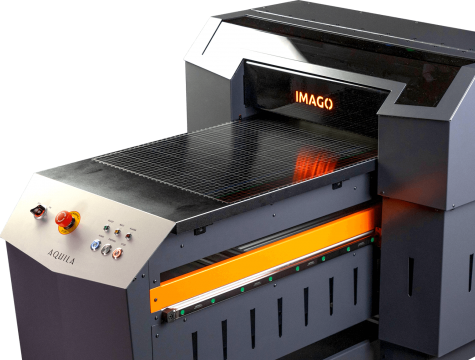
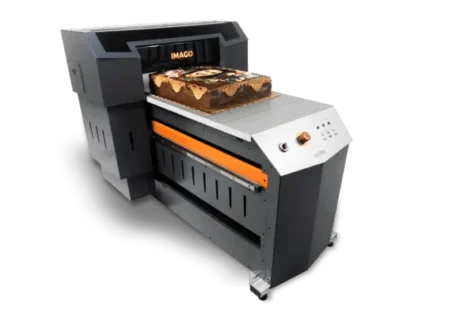
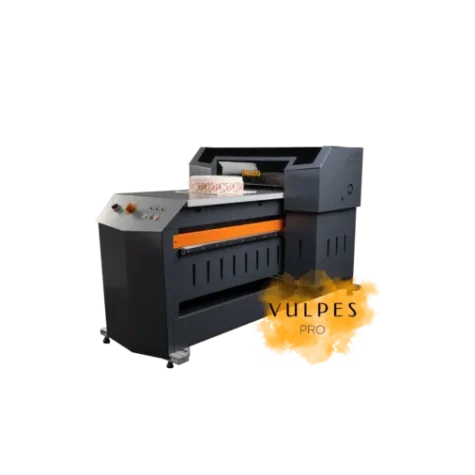
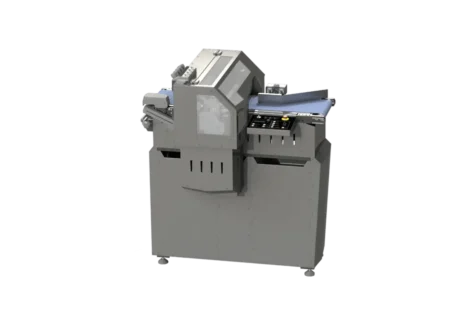
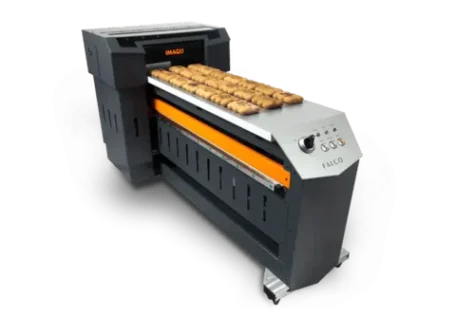
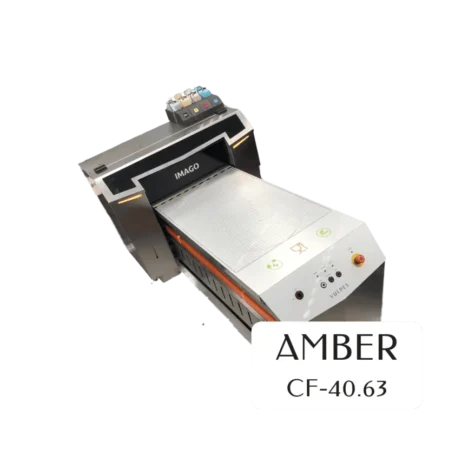
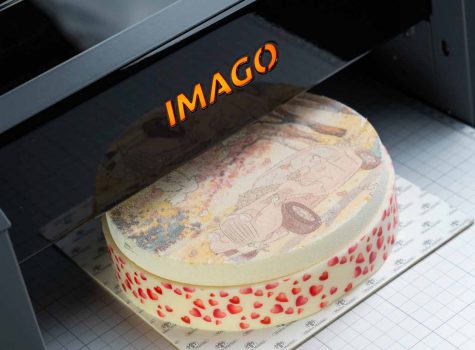
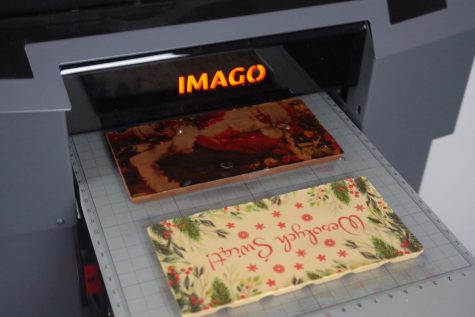
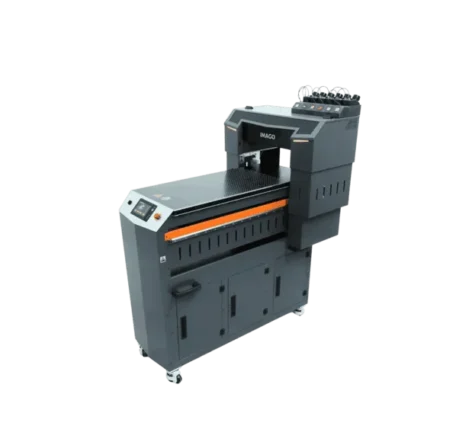
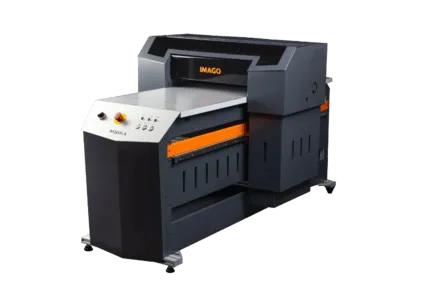
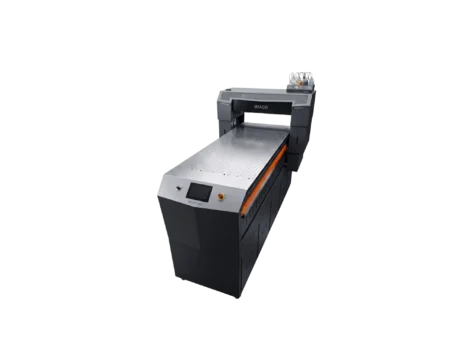
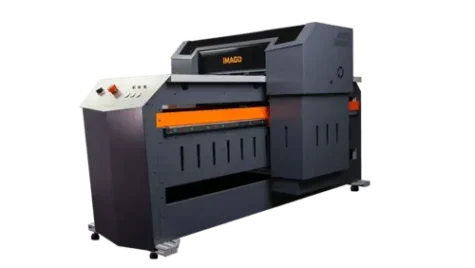
IMAGO SAPPHIRE UV printer
How does UV printing technology work, and how does it differ from traditional methods?
Modern UV printing goes beyond curing ink with light. Digital UV printing is a versatile and modern technology, offering flexibility and broad application potential across various industries. It rethinks the role of the machine on the production floor. Industrial UV printing uses ultraviolet light to instantly cure specialized inks as they are applied to a surface. The Operator-First approach starts from a simple premise: technology should support people. Instead of starting with a technical spec sheet, the designers ask:
“What if we designed the machine around the operator’s needs, not the parameters?”
The result is an industrial printer designed like a consumer product – intuitive, friendly, and at the same time built to industrial reliability standards. Instead of forcing the operator to adapt to the machine, the machine adapts to how people naturally work. UV printers eliminate drying time by curing ink immediately, enabling secondary processes like cutting or assembly to be performed right after printing.
The three pillars of Operator-First:
- Work comfort: quiet operation, clean air, and intuitive controls.
- Safety: automatic safeguards and clear procedures.
- Efficiency: fast onboarding, simple servicing, and fewer errors.
UV printing technologies generally feature low volatile organic compound (VOC) emissions, making them more environmentally friendly than traditional printing methods that use solvents.
Key features and specifications of industrial UV printers
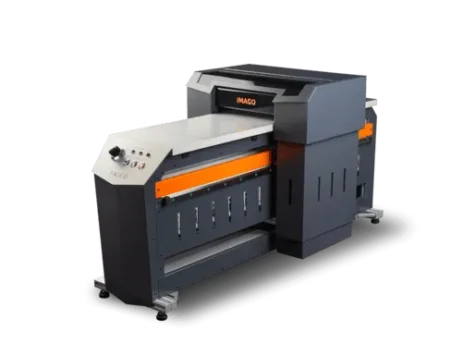
Philosophy is one thing – what counts is the specifics. Industrial UV printers stand out due to their advanced capabilities, including the ability to handle various print sizes and print on a wide range of materials. These printers can be categorized into flatbed printers, which are designed for printing on flat surfaces, and roll-to-roll printers, which are suitable for flexible materials and large graphics. For example, the VersaObject MO Series is a direct-to-object flatbed UV printer that offers versatile and productive printing on various substrates. UV flatbed printers are capable of printing on materials such as glass, plastics, wood, and metal, making them suitable for diverse industrial applications. When choosing a machine, it’s important to consider the uv printer price and various factors such as print size, capabilities, and material compatibility, as these elements will impact your investment and the range of projects you can handle. Here’s how the IMAGO SAPPHIRE turns the Operator-First idea into real, day-to-day improvements that become decisive factors when you pick a machine.
1. Intuitive operation – removing barriers to entry
Touchscreen plus physical buttons. It works like a modern car. The touchscreen handles detailed settings, but when speed and safety matter, the operator reaches for physical function buttons (start/stop, emergency stop).
Smart software with material presets. In many printing systems the operator first sets dozens of parameters in external RIP software, then has to repeat the configuration on the machine itself. SAPPHIRE integrates the process. Our in-house control software lets you save complete setups as ready-to-use presets. On the panel, the operator simply picks the material type (cardboard, plastic, glass and so on), and the printer loads the full parameter set automatically. Software tools for graphic design and layout optimization play a crucial role in preparing files efficiently, reducing material waste, and improving overall printing productivity.
The result? A configuration that used to take up to 20 minutes drops to 20 seconds of selection, and the risk of a costly mistake disappears.
Auto-Z (0-15 cm). On a traditional machine, adjusting print height is a manual, risky job. With SAPPHIRE, one press of the Auto-Z button is enough – the system measures the object’s height and sets the optimal distance on its own.
2. Servicing the operator can handle
Five service tasks in 15 minutes. Instead of waiting two or three days for a technician, the operator can handle the basics: cleaning the printhead (5 min), changing the filter (3 min), checking the UV lamps (2 min), running a nozzle test (3 min), and basic calibration (2 min). Proper management of supplies, such as filters and cleaning materials, is crucial for prolonging the lifespan of your industrial UV printer and reducing hidden costs. The annual maintenance cost of a UV printer typically ranges from $1,000 to $5,000, which includes necessary daily cleaning, component replacement, and professional maintenance inspections.
A Polish engineering team instead of a call center. Your questions go straight to our engineers in Poland. No waiting for the issue to escalate through tiers of support – you get expert help right away from people who know the machine inside out.
3. A safe and comfortable workplace
Quiet, efficient extraction. The extraction system was deliberately built to be both quiet and efficient. A purpose-selected fan and noise-reducing vent geometry deliver genuine acoustic comfort.
Enclosed chamber with filtration. The printer features a closed chamber with an air filtration system, which means fewer odors and better working conditions.
SAPPHIRE UV printer – the technology
Building a strong team around your UV printing operation
A successful UV printing business is built on more than just advanced equipment—it relies on a skilled, motivated team that can unlock the full potential of your UV printers. Investing in people is just as crucial as investing in technology, especially when it comes to managing the complexities and maximizing the efficiency of digital UV inkjet technology.
Hiring experienced staff who understand the nuances of UV printing, from optimizing print head settings to handling specialized UV inks, can dramatically improve print quality and reduce costly errors. Comprehensive training programs are essential, covering everything from routine maintenance—like cleaning print heads and replacing UV lamps—to troubleshooting and fine-tuning the printing process for different materials such as wood, canvas, glass, metal, and acrylic.
Effective team management also means keeping a close eye on operational expenses. By monitoring ink consumption, maintenance costs, and energy usage, your team can identify opportunities to minimize waste and lower the overall UV printing cost. Strategies like bulk purchasing of consumables and regular maintenance schedules help control hidden costs and extend the lifespan of your equipment, ensuring a better return on your initial investment.
A well-trained team doesn’t just keep the machines running—they drive innovation. They can spot inefficiencies in the workflow, suggest improvements to the printing process, and help implement new technologies like advanced UV flatbed printers. This proactive approach is vital for staying competitive in the fast-evolving UV printing market, where high quality output and the ability to print directly on a wide range of materials are key differentiators.
As your business grows, a strong team will help you navigate the challenges of scaling up, from managing high volume production to adapting to new market demands. Whether you’re a small business just starting out or an established player in the printing industry, investing in your team’s development ensures you can deliver high quality graphics, control labor costs, and maintain a reputation for reliability and excellence.
Ultimately, building a robust team around your UV printing operation is an investment that pays dividends in efficiency, quality, and long-term business success. By prioritizing training, fostering innovation, and managing costs, you position your printing business to thrive—no matter how the market evolves.
Industrial UV printer applications – real-world examples
Case study: how Operator-First changed things on the production floor
A cosmetics packaging company was dealing with 20% operator turnover and 8% waste on new jobs. After deploying the SAPPHIRE printer:
- Training time dropped from 14 days to a single day.
- Faulty batches went from 8% down to 2%.
- Operators now handle 90% of routine service tasks on their own.
The bottom line? Total annual savings crossed PLN 24,000, alongside higher quality and better team morale.
Costs of buying, running and servicing industrial UV printers
Adopting Operator-First brings measurable financial and operational gains that directly affect total cost of ownership (TCO):
- Faster training. Onboarding a new operator drops from two or three weeks to a single day, a real saving on rollout costs.
- Fewer errors. Automated settings minimize the risk of mistakes, which means less material waste and more consistent quality.
- Lower staff turnover. A comfortable, safe work environment lifts operator satisfaction and cuts recruitment and training costs.
- Lower TCO. A modular build (upgrade instead of replace) and simple servicing mean the machine pays back faster. When evaluating the total cost of ownership, it’s crucial to consider that the initial purchase price of an industrial UV printer can range from $2,500 to $41,200 depending on functionality and brand. UV printer price and ongoing costs vary widely based on brand, features, and material choices, so understanding the full financial commitment before making a purchase—including initial purchase price, maintenance, and operational expenses—is essential.
The price of UV printing typically ranges from $5 to $20 per square meter, and cost per square foot is also a key metric, both influenced by equipment, production volume, and substrate. Labor costs for operating UV printers can range from $15 to $18 per hour, and electricity usage is higher than standard inkjet machines due to the UV lamps required for curing, which increases operational costs. UV inks generally cost between $20 and $40 per liter, with costs varying by color and quality. Print heads can last from a few months to several years with proper maintenance and care, impacting long-term expenses.
Additionally, UV-printed graphics are highly durable—resistant to scratches, fading, moisture, and harsh chemicals—making them ideal for industrial applications. The curing technology in industrial UV printers provides better adhesion and durability compared to traditional printers that rely on air drying or heat.
IMAGO SAPPHIRE UV printer
What’s next – talk to an expert about your choice
The Operator-First philosophy is a real investment in your team’s stability and your production’s efficiency, not a marketing slogan. With a printer built around this approach, you will:
- Cut operator onboarding from weeks to a single day.
- Reduce production errors and material waste.
- Lower staff turnover thanks to an ergonomic work environment.
- Bring down TCO and improve return on investment.
Want to learn more? See how to save time and money – book a SAPPHIRE demo today.