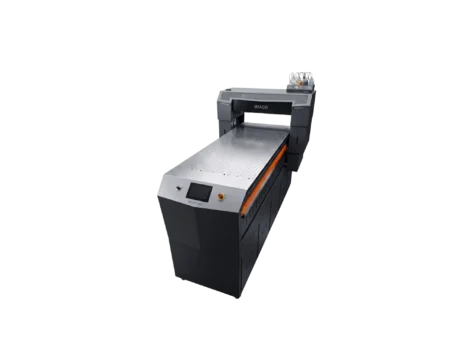
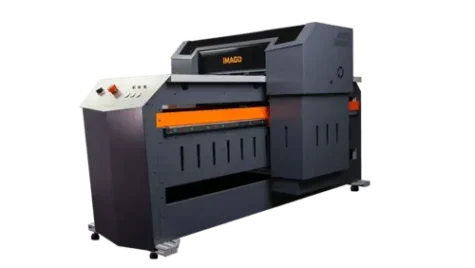
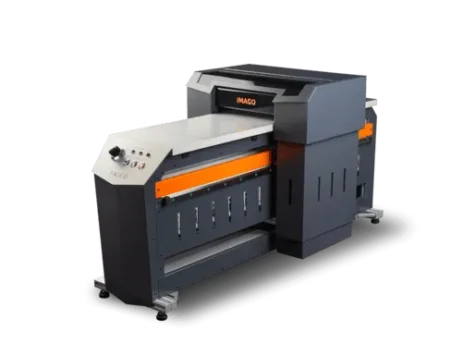
Polish manufacturer of food printers
From one-off decoration to serial production.
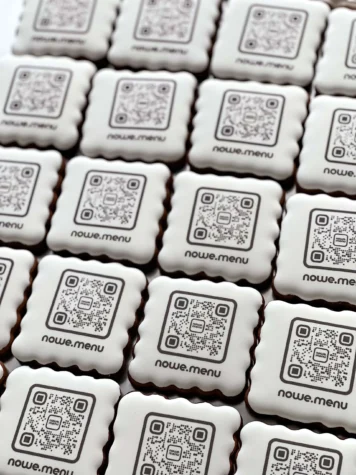
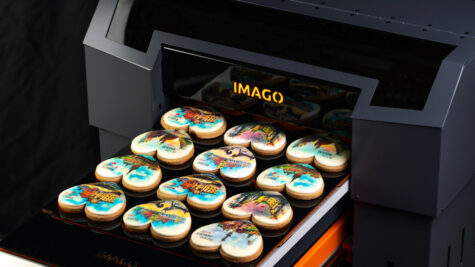
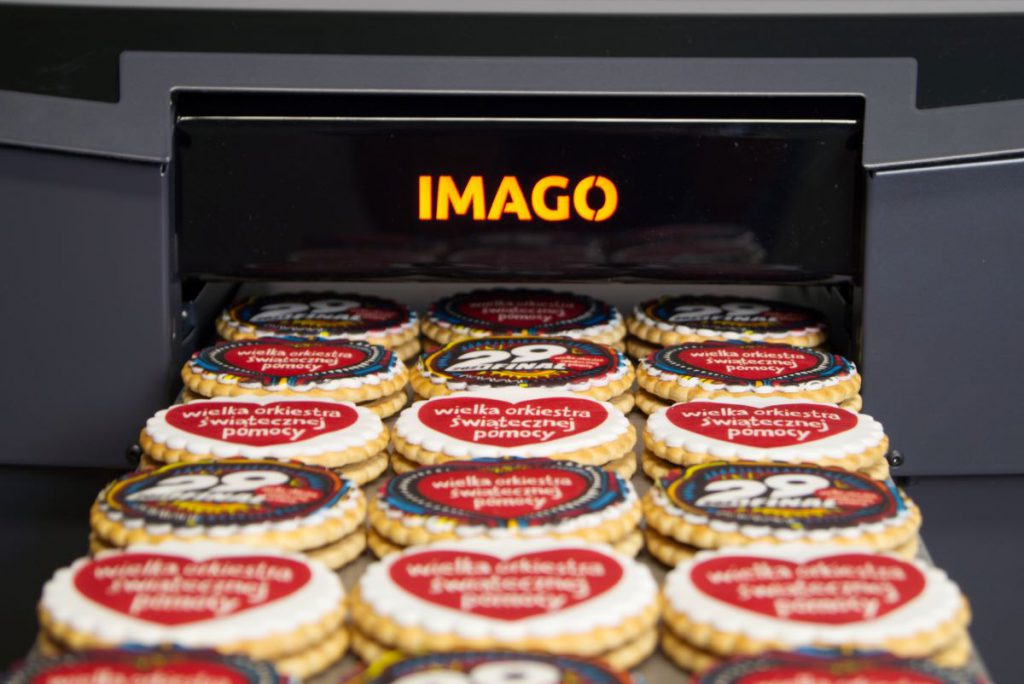
Food printing lets you transfer any graphic, logo, photo, text or pattern directly onto the product: a cookie, macaron, chocolate, cake, wafer, gummy or confectionery decoration.
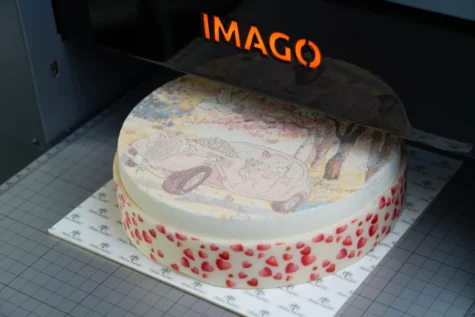
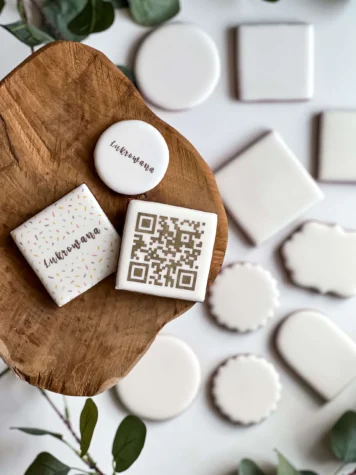
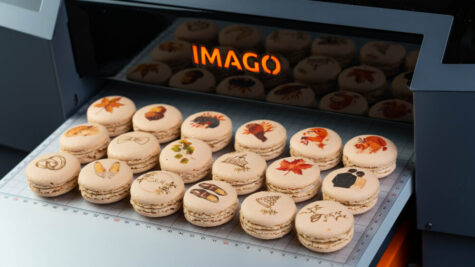
Food printing is an automated decoration process that uses edible dyes on the surface of food products. It works similarly to the printer you’re familiar with from the office—with one important difference: instead of paper, you have a confectionery product, and instead of regular ink, food-grade inks approved for contact with food are used. In practice, this means that a design from a computer—a logo, photo, name, seasonal graphic, QR code, or collection pattern—can be applied directly to the product in full color and at photo-quality resolution.
Tailored to your needs
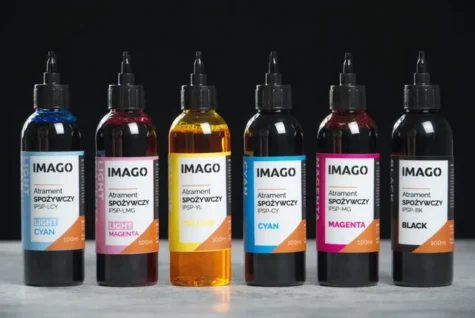
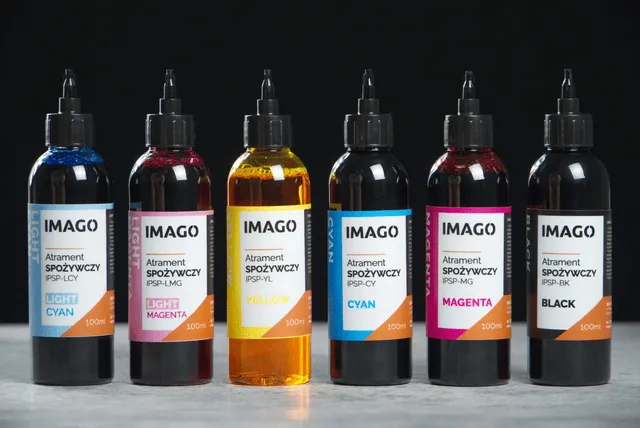
Food-grade inks — Food Safe, with no taste or smell
In food printing, safety matters just as much as print quality. That is why IMAGO technology uses food-grade inks designed for use with food. The inks are applied in very small quantities, so the print does not change the taste, smell or texture of the product. Your customer sees the graphic — but does not feel it while eating.
On request, we provide documentation, declarations of conformity and the information required for your audit process.
Food Safe
Halal
Kosher
Vegan
HACCP
FDA
ISO 9001
Energy Safe
Print on everything
Selected confectionery substratessuitable for direct food printing
IMAGO direct food printing lets you decorate macarons, cookies, lollipops and cakes covered with almost any confectionery substrate. The properties of each substrate affect the look and finish of the graphic — mirror glaze, ganache or food gel make the print glossy, while on fondant, royal icing or icing sugar the decoration turns out matte. The best color results are achieved on light-colored substrates
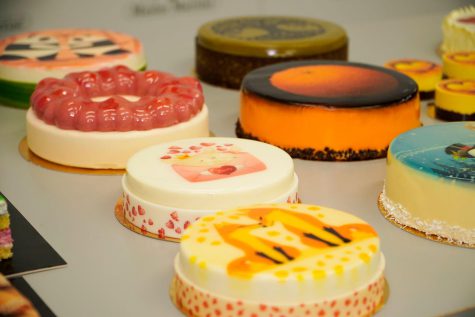
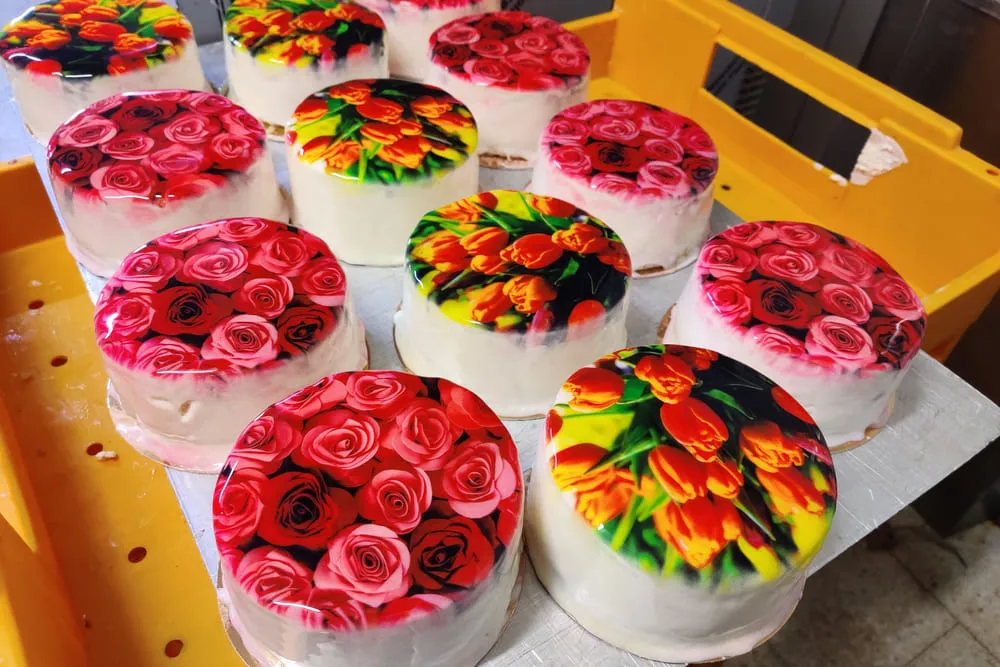
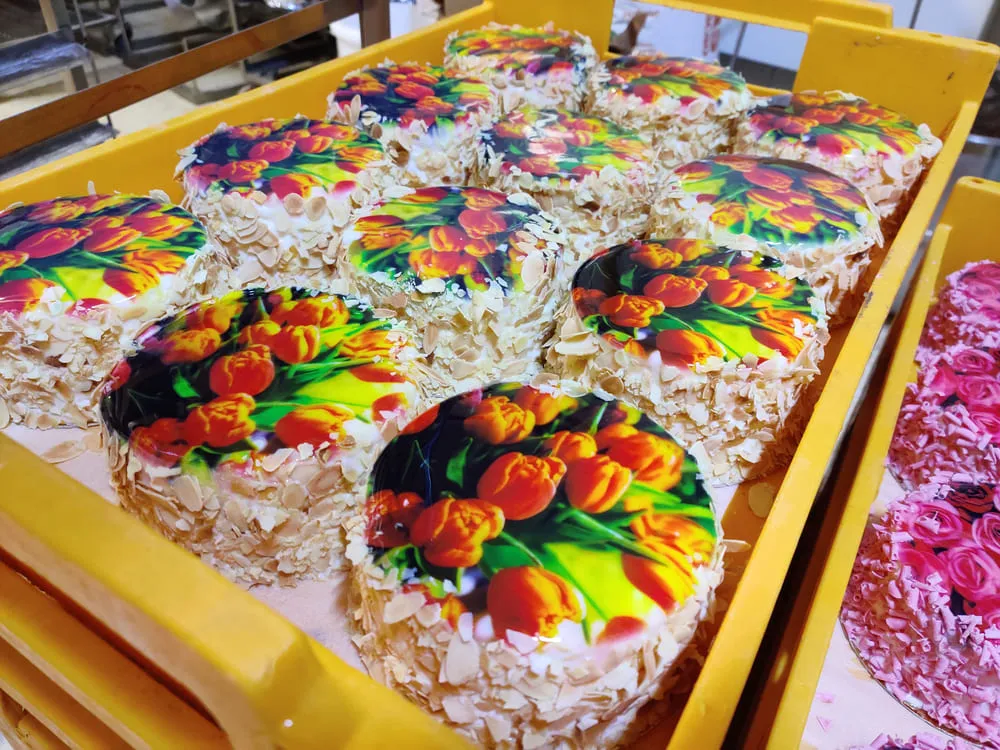
Printing on cake glazes
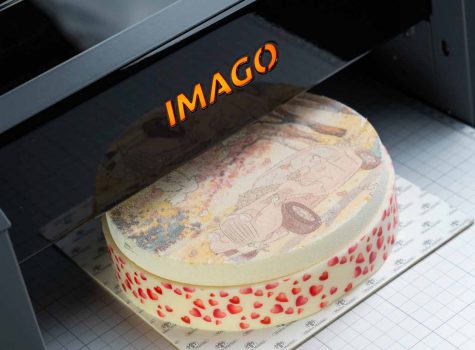
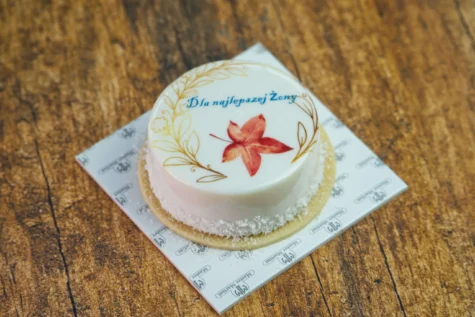
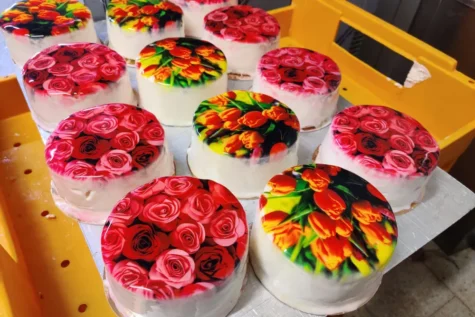
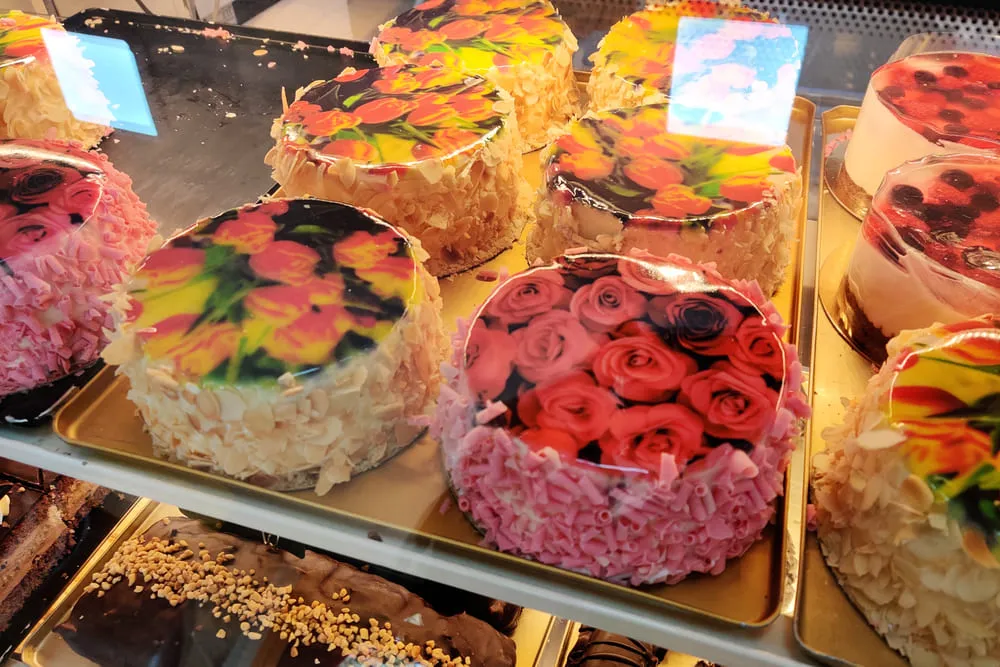
Cake glazes create a smooth, attractive surface that is perfectly suited to full-color decoration. Depending on the type of glaze, the print can look more matte, satin or glossy — which is why it works equally well on classic occasion cakes and modern premium desserts. It is a good solution for patisseries and cake studios that want to create personalized products without wafer paper and without hand-painting every decoration. A company logo, a photo, seasonal artwork, a wedding motif or a dedicated inscription can be applied directly to the surface of the cake, so the whole thing looks more consistent and professional.
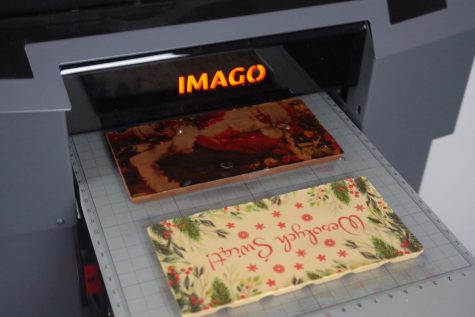
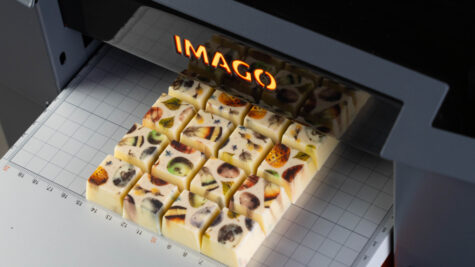
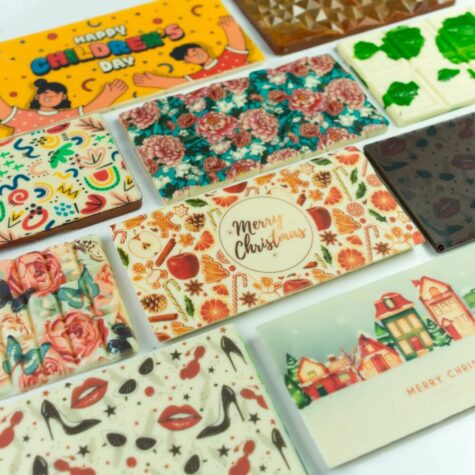
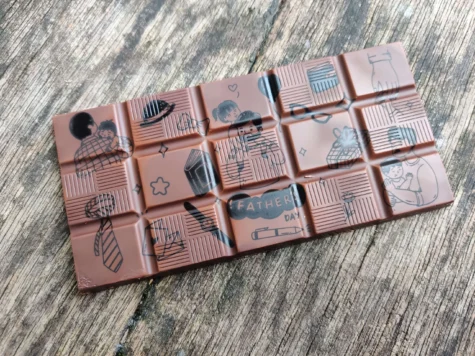
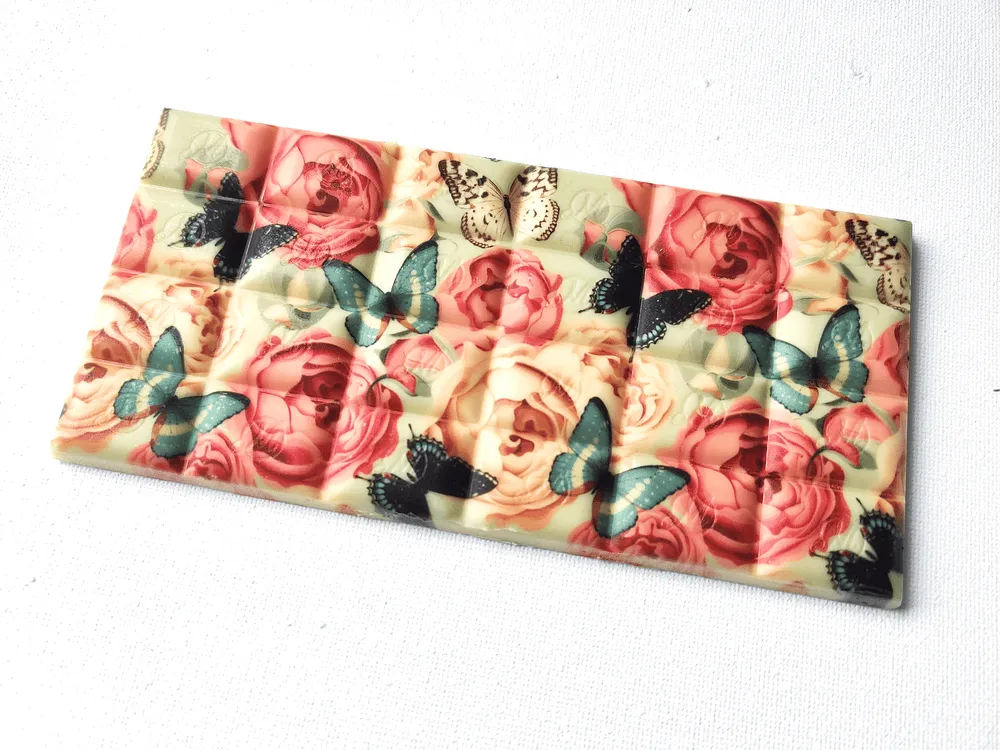
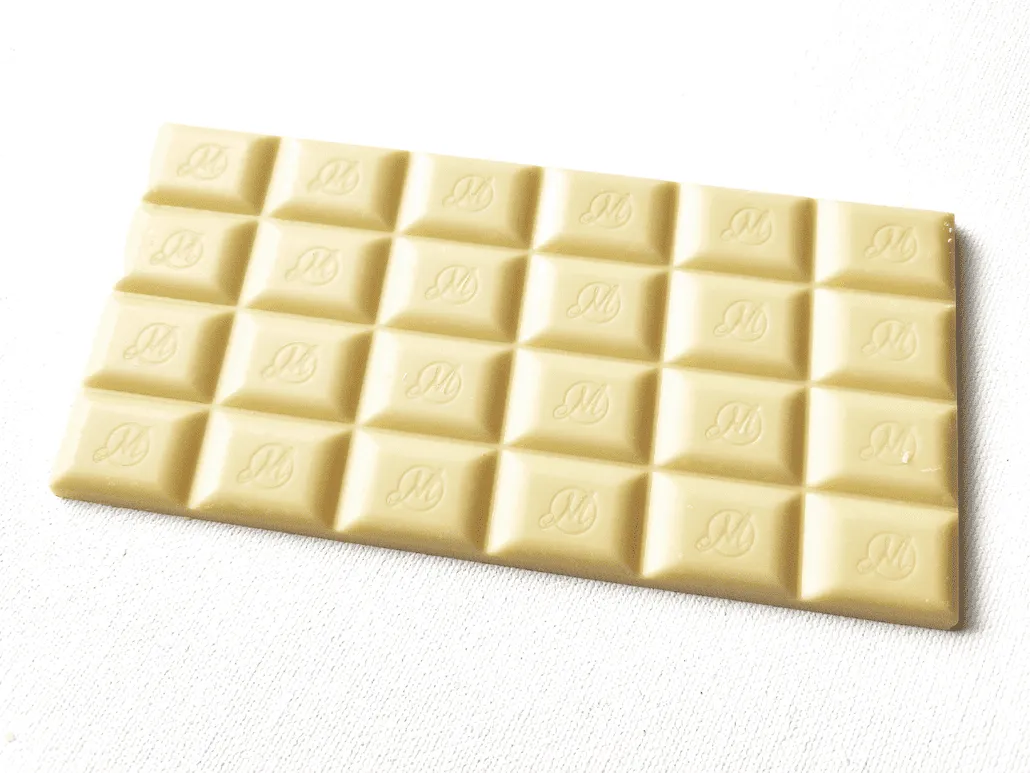
Printed chocolate is one of the most elegant ways to personalize sweets. A company logo, campaign artwork, a name, a greeting or a seasonal motif can appear directly on a bar, a praline, a chocolate or a cake covered with ganache. This solution works especially well for corporate gifts, limited collections, promotional sweets and gifts for hotels, premium brands and event agencies.
Applications: Chocolates with a logo, premium pralines, promotional bars, event sweets, B2B gift sets.
Printing on ice cream wafers
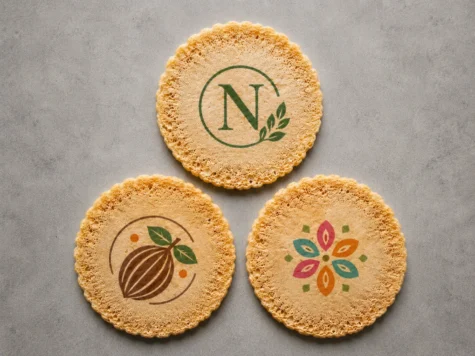
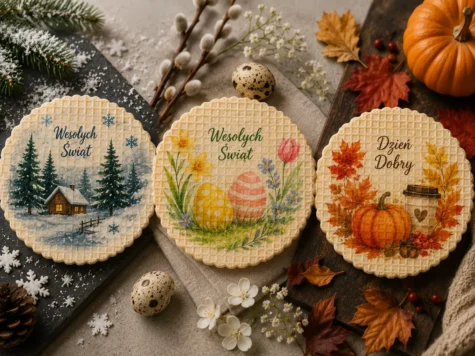
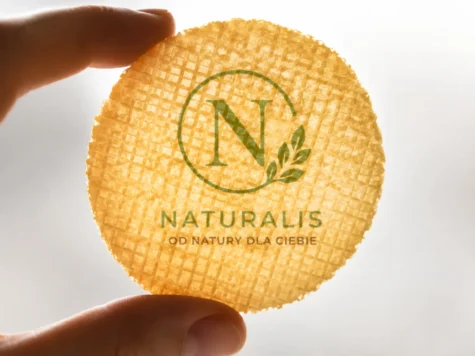
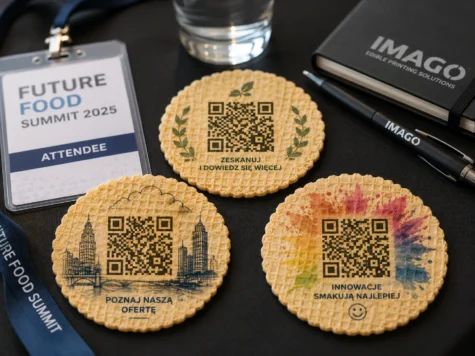
Printed wafers are an interesting way to make ice cream, desserts and children’s products stand out. An ice cream parlor’s logo, an illustration, a character, a slogan or a seasonal motif can turn an ordinary add-on into something the customer remembers and photographs. This is a solution for ice cream parlors, restaurant chains, wafer manufacturers and brands that want to build product recognition right at the moment of serving.
Applications: Ice cream wafers, dessert decorations, children’s products, wafers with an ice cream parlor logo, seasonal additions to the menu.
Printing on fondant
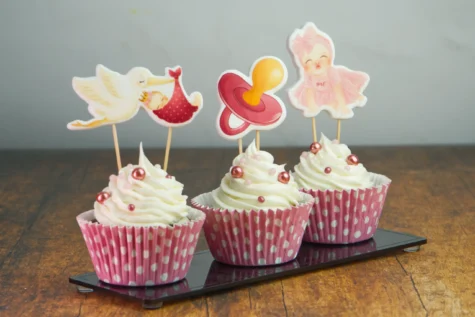
Fondant is one of the most versatile substrates for food printing. It lets you create toppers, cake decorations, elements for cupcakes, gingerbread and three-dimensional ornaments. With printing you can quickly prepare repeatable, full-color decorations — with no hand-painting, no cutting out fine details and no need to order ready-made toppers from outside.
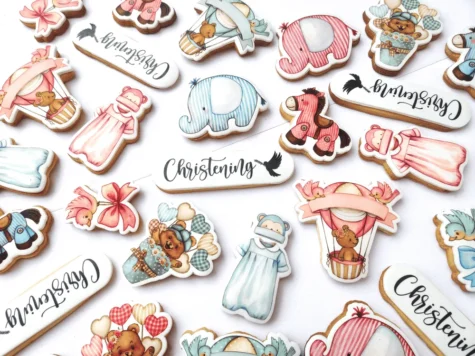
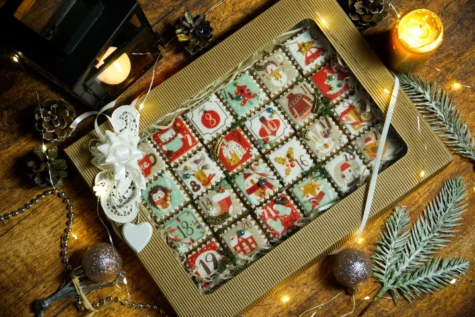
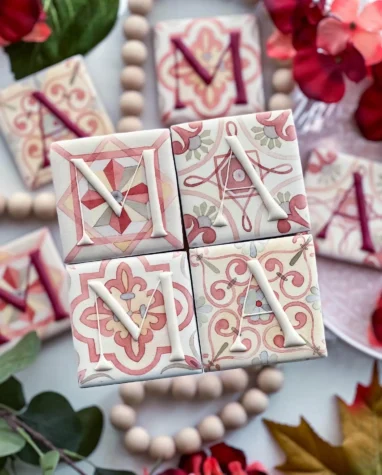
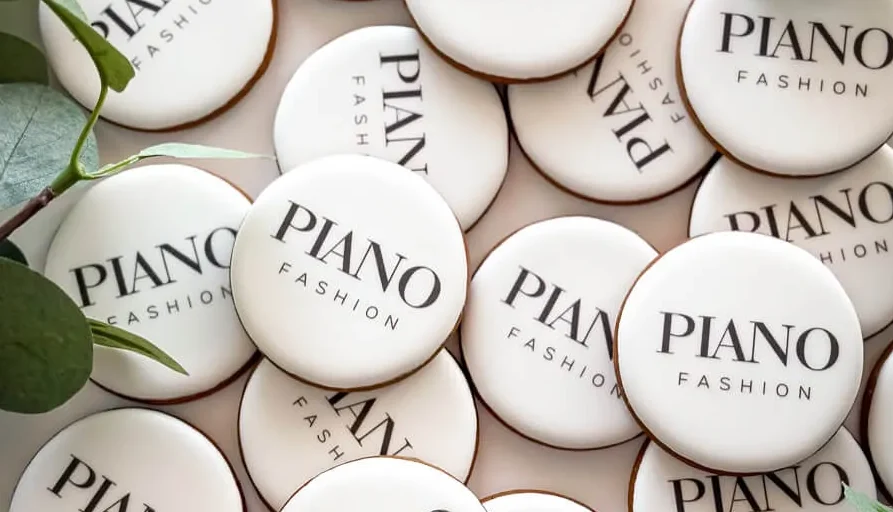
Icing is the classic substrate for gingerbread, cookies and seasonal products. Printing combines the traditional character of the bake with modern personalization — without the time-consuming hand-decorating of every single piece. It is an especially good solution for larger Christmas, wedding, communion and corporate orders, where consistency and appearance matter.
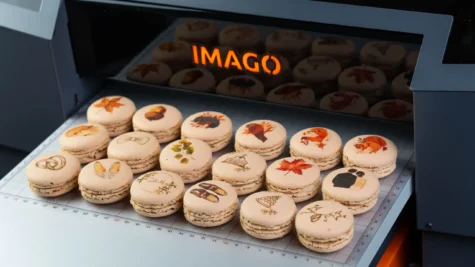
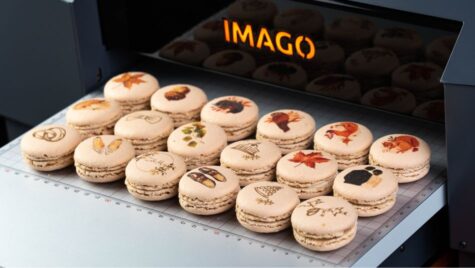
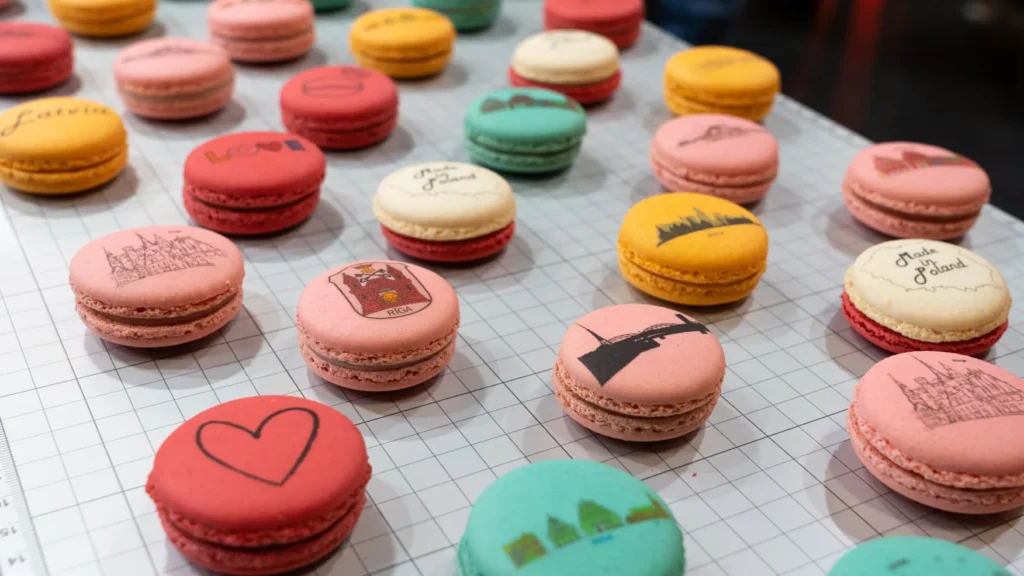
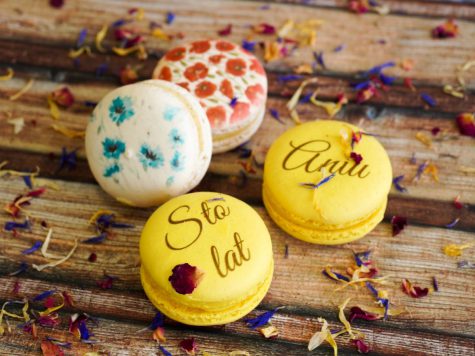
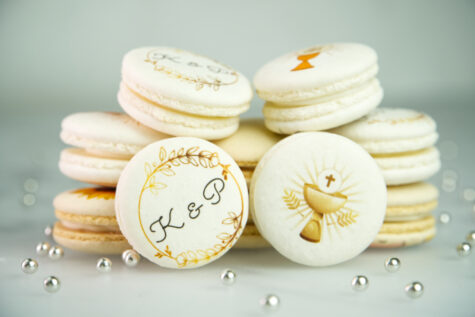
Printed macarons are a ready-made premium product for both private and business customers. Even a small surface is enough to place a logo, initials, a short slogan, a graphic or an element of a brand’s visual identity. It is one of the most striking products for personalization — elegant, attractive and easy to sell as a gift or an event add-on.
Applications: Macarons with a logo, gift sets, event sweets, gifts for premium brands, personalized occasion collections.
Printing on monoportions
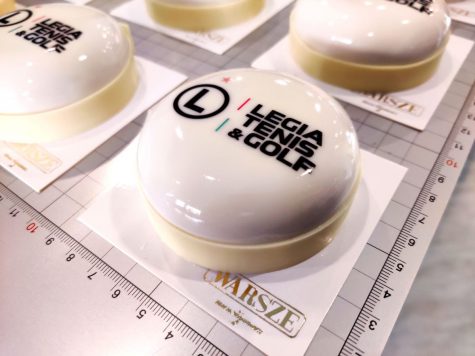
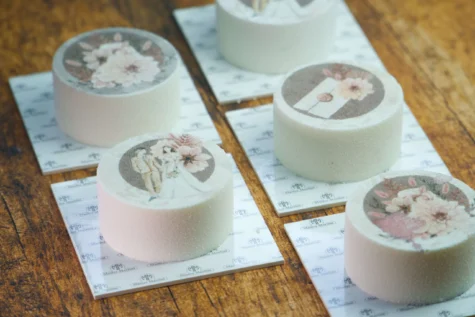
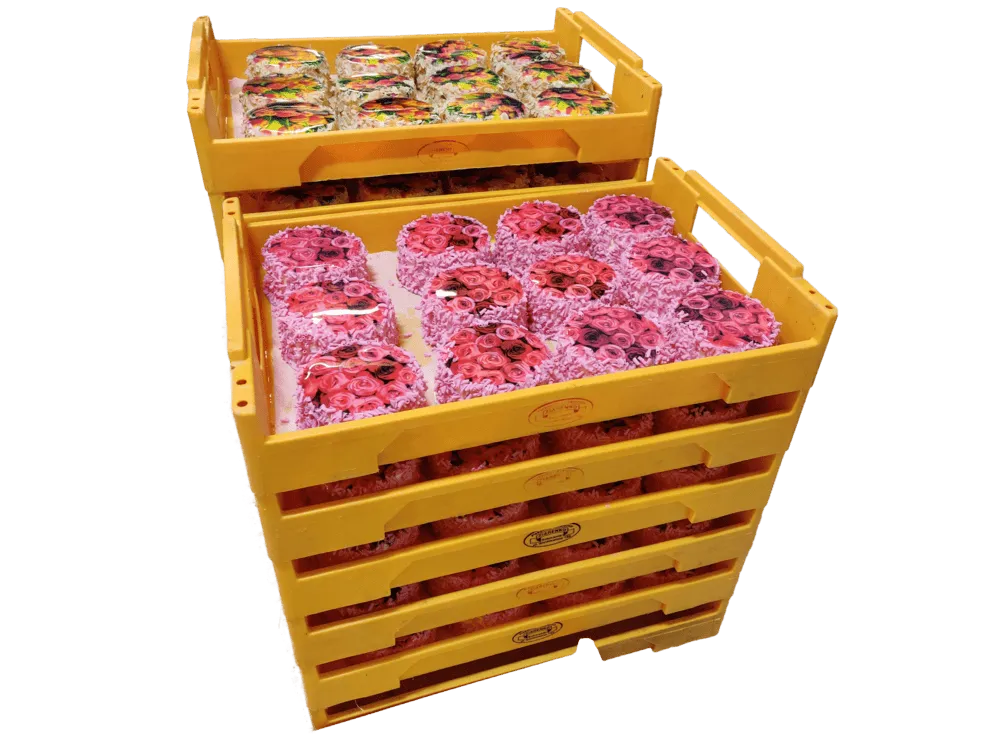
Monoportions are an ideal substrate for creating striking, personalized premium desserts. Thanks to the smooth surface of a glaze, gel, cream or ganache, the print can become the centerpiece of the decoration — from a subtle logo to full-color artwork, a seasonal motif or an elegant collection pattern. It is a good solution for patisseries, hotels, restaurants, dessert studios and premium brands that want to stand out in the display case, at an event or in a gift set. Printing on monoportions makes it quick to create consistent dessert series matched to the occasion, the client or a brand’s visual identity.
Applications: Monoportions with a logo, event desserts, sweet tables, seasonal collections, hotel desserts, personalized premium sets, monoportions for weddings and banquets. Printable glazes: mirror glaze, velvet spray, buttercream, jelly, instant cream, whipped cream, food gel, ganache.
Printing on decorative and artistic cakes
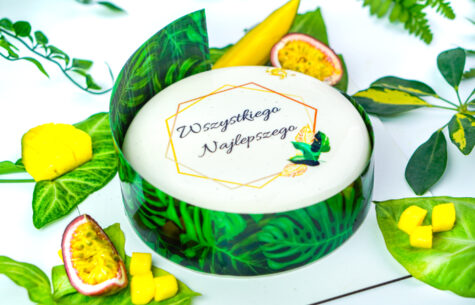
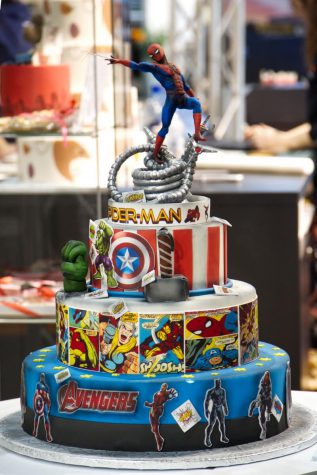
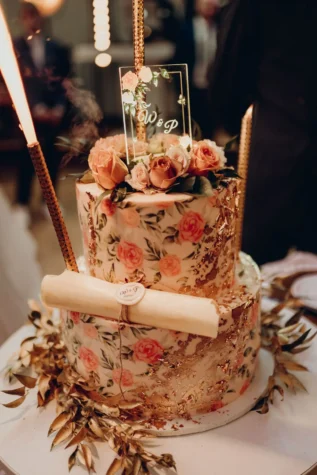
Decorative and artistic cakes are where food printing combines handcraft with digital precision. The print can add a photo, an illustration, a logo, an inscription, a fairy-tale motif, wedding artwork or an element matched to a specific party style to the cake design. It is a good solution for cake studios, artistic decorators and patisseries that want to create more complex projects in less time — without having to recreate every detail by hand. Printing preserves the individual character of the cake while increasing the consistency and precision of the decoration.
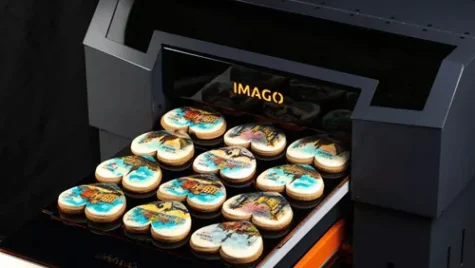
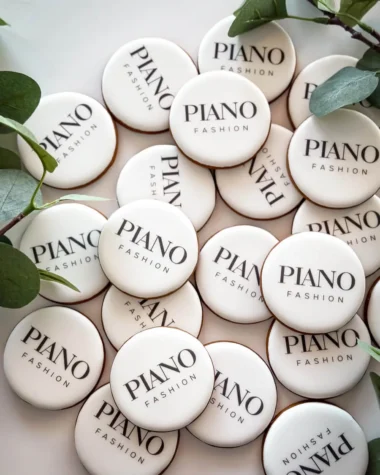
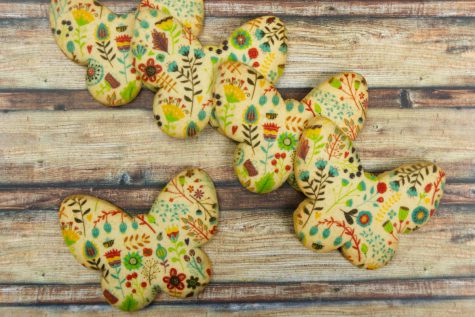
Printed shortbread cookies are one of the most practical products for B2B sales. They are durable, easy to pack and work perfectly as sweet gifts, promotional giveaways and elements of marketing campaigns. You can print logos, slogans, seasonal artwork, names, dates, illustrations and short runs for specific clients on them.
Applications: Promotional cookies, gift sets, event sweets, Christmas products, gifts for clients and employees.
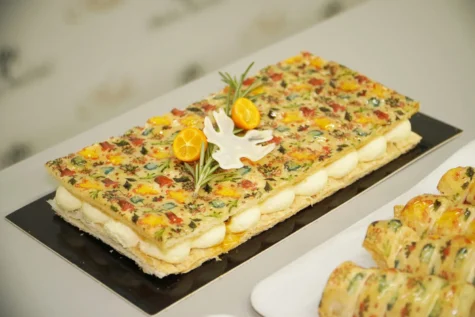
Printing on puff pastry
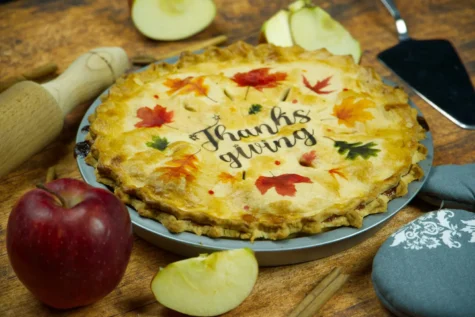
Puff pastry makes it possible to create elegant, personalized bakes that stand out already on display in a patisserie, café or hotel buffet. The print can appear on selected parts of the bake — for example as a logo, a short inscription, seasonal artwork or a collection motif. It is a good solution for bakeries, patisseries, cafés, hotels and premium brands that want to give classic bakes a new, more memorable character. Croissants, pain au chocolat, puff pastries and mini banquet bakes can become a brand carrier, part of a campaign or a product prepared for a specific occasion.
Applications: Printed croissants, pain au chocolat, puff pastries, hotel bakes, sweet buffets, seasonal products, personalized bakes for cafés and premium brands.
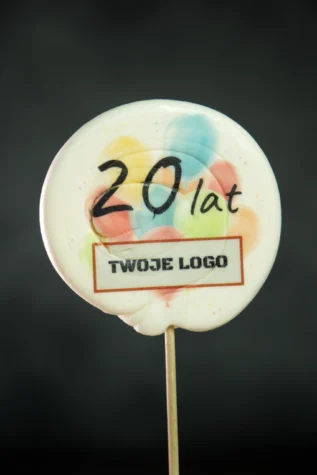
Printing on caramel
Printed caramel works wherever the element of surprise counts. It can be used to create lollipops, three-dimensional decorations, occasion candies and products for children. This substrate is especially attractive for brands that want to create colorful, memorable sweets — for example with a character, an inscription, event artwork or a collection motif.
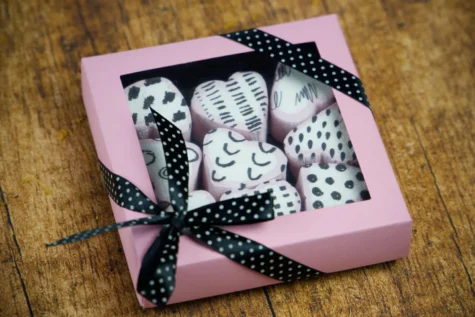
Marshmallow is a light, soft and very eye-catching substrate for food printing. Printing turns a classic marshmallow into a personalized product: with a logo, seasonal artwork, an inscription, a character or a motif matched to a specific occasion. It is a good solution for patisseries, confectionery manufacturers and brands that want to create attention-grabbing products — perfect for gift sets, sweet giveaways, events, promotional campaigns and products for children.
Applications: Marshmallows with a logo, marshmallows for gift sets, event sweets, seasonal products, sweet B2B giveaways, personalized sweets for children.
Printing on gummies
Printed gummies are a way to create sweets that stand out immediately on the shelf, in a gift set or at an event. Colorful artwork, a logo, a character, a campaign symbol or a short inscription can turn a simple product into a personalized brand carrier. It is a good solution for confectionery manufacturers, children’s brands, advertising agencies and companies that want to create short runs of promotional, seasonal or collectible products. Printing on gummies works perfectly wherever fun, color and instant attention matter.
Applications: Gummies with a logo, promotional sweets, products for children, seasonal collections, event gummies, personalized sweets for gift sets.
Printing on decorative packaging
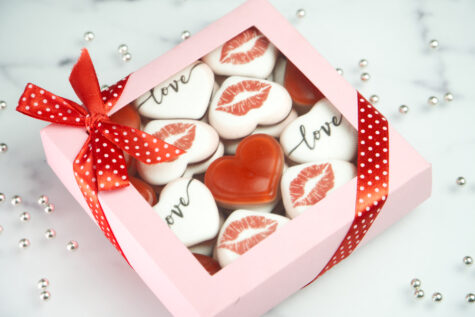
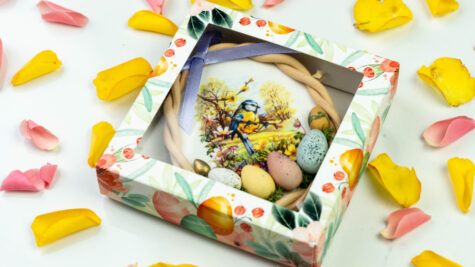
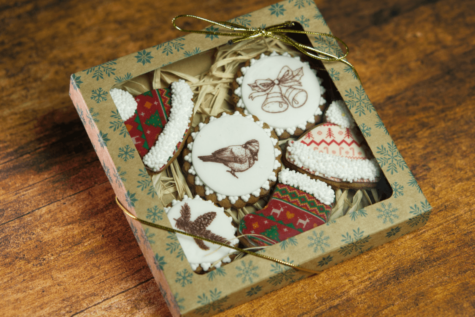
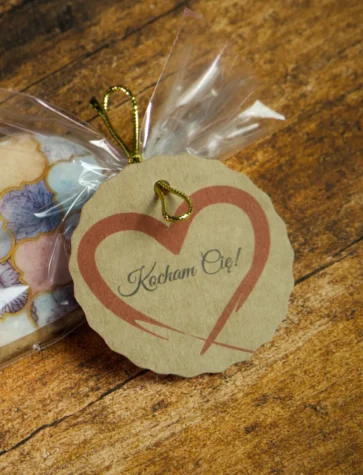
IMAGO confectionery plotters can be used not only to decorate sweets, but also selected packaging made of absorbent materials such as cardboard or unvarnished wood. This makes it possible to create consistent gift sets: a printed product and packaging matched to the same occasion, brand or campaign.
Applications: Gift boxes, sweet packaging, personalized B2B sets, business cards for a confectionery studio, short runs of occasion packaging.
Business benefits
Food printing isn't decoration It's a production advantage
Food printing is not just a way to decorate products. It is a technology that speeds up production, removes the bottlenecks of manual decorating and lets you create products with a higher sales value.
3–5 h → 30 min
decoration time for 100 pcs
2–3×
higher selling price of a personalized product
< 0.01 PLN
cost of decorating one item
3–12 months
estimated return on investment
01
Higher margins through personalization
Food printing turns an ordinary product into one with a higher sales value. Cookies, gingerbread and small bakes that are normally sold by the kilo can, once printed, be sold by the piece — as a gift, a promotional sweet or an occasion product.
A company logo, a name, a date, a photo or artwork for Valentine’s Day, Mother’s Day, International Women’s Day or Christmas gives the product a new context. It is no longer just a cookie from the counter, but a personalized gift or a brand carrier that the customer is willing to pay more for.
The same product can therefore cost more, while being cheaper and faster to prepare.
Higher margins do not come from a higher price alone. Digital printing also reduces the cost of the decoration itself — it removes hand-painting, hand-lettering and the time-consuming decorating of every single piece.
Margin value depending on decoration type
Product price
Level with traditional decoration
Traditional decoration
Confectionery printer decoration
Additional profit
Illustrative chart — proportions demonstrate the product price structure, not specific values.
02
Less manual work and fewer errors
Manual decorating is time-consuming, hard to scale and dependent on the skill of the individual employee — especially when it involves lettering, small type, logos or complex patterns. Digital printing automates these repetitive elements and delivers the same result across hundreds or thousands of products.
Importantly, printing does not take away the artistic character of the product. It can become the base for further decoration by hand.
The pastry chef can still add the finish, the details, gold leaf, sprinkles or three-dimensional elements. The technology takes over what is repetitive and precise, while manual work stays where it builds the product’s unique style.
03
Faster decoration production
Decorating confectionery by hand takes time, precision and repetitive work on every single piece. On larger orders, decorating is often exactly where production bottlenecks appear — especially when many identical inscriptions, logos, graphics or patterns are needed.
Food printing shortens this stage significantly. Instead of decorating every product by hand from start to finish, you can apply the repeatable elements automatically, in full color and at consistent quality.
A patisserie or production plant fulfills orders faster, increases throughput and can handle more products without a proportional increase in working hours.
Decoration time for 100 product items
Comparison of manual decoration with IMAGO digital printing
Manual decoration
3–5 h
IMAGO digital printing
15–30 minUp to 10× faster
0 h1 h2 h3 h4 h5 h
Data from the IMAGO financial model for small and medium bakeries (VULPES or AMBER class printer).
04
New products in your range, including B2B products
Food printing lets you extend your range with products that would be too time-consuming or barely profitable to make by hand. The same cookie, macaron, chocolate, monoportion or wafer can become a promotional sweet, a corporate gift or an occasion product.
Printing makes it easy to create collections for Valentine’s Day, Mother’s Day, International Women’s Day, Christmas, events or brand campaigns.
One base product can have many variants — all it takes is changing the logo, the inscription, the photo or the artwork.
In practice, food printing does not just make your offer more attractive; it creates new revenue streams: short runs, personalized sets, premium products and B2B orders that previously required too much manual work or were simply not feasible.
.
05
Consistent quality
With hand decorating, the result depends on the experience, precision and daily form of the person doing the work. On single products that can be an advantage, but on larger orders it easily leads to differences in line thickness, the placement of lettering, color or the proportions of a pattern.
Food printing keeps the same result across an entire product run. The logo lands in exactly the same place, the lettering has an identical shape and the artwork is reproduced exactly as in the file — whether you are printing a dozen cookies, a few hundred macarons or thousands of promotional sweets.
This matters especially on B2B orders, where the client expects compliance with the brand’s visual identity, a polished finish and on-time delivery.
Consistent quality means fewer corrections, less waste and greater confidence that the whole batch will look professional.
× 0
06
Increasing product value
BeforeAfter
◂▸
Food printing adds extra value to standard products — visual, emotional and commercial. Before decoration, a cookie, macaron, chocolate or monoportion usually has a much lower unit value than the same product after personalization. It is the printed logo, name, photo or occasion artwork that turns the item from an ordinary product on the counter into a gift, a promotional sweet or part of a brand campaign.
Printed decoration makes it easy to create premium products, seasonal collections and short runs that customers perceive as more special. The same base product gains a new context — it can be a corporate gift, a sweet for Mother’s Day, Valentine’s Day or Christmas, or an elegant addition to an event.
In practice, printing does not just improve how the product looks; it genuinely raises its value in the customer’s eyes.
A decorated product can be sold at a higher price, because it offers more than taste — personalization, aesthetics and a ready-made gift idea.
07
Scaling production
Manual decorating limits the number of orders a company can take on and deliver within a given time. Every inscription, logo or pattern requires a decorator’s work, so on larger runs the process quickly becomes too slow and hard to sustain.
Food printing speeds up the decoration of confectionery products significantly. It applies repeatable patterns, photos, logos and lettering to hundreds or thousands of pieces a day — quickly, evenly and without decorating every piece by hand from scratch. This lets a company handle larger orders, deliver them faster and grow sales without growing the team proportionally.
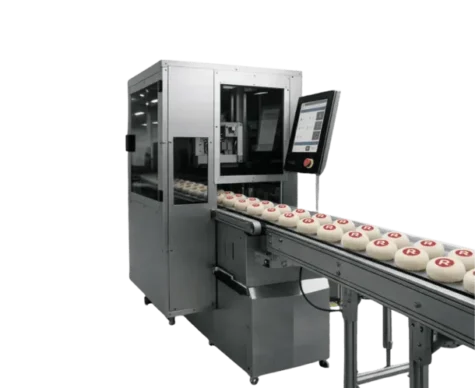
As production grows, IMAGO offers increasingly advanced solutions — from confectionery plotters for flexible production to industrial systems and Single Pass inline food decorators.
This means the technology can support your company at every stage of growth and help scale production as order volumes rise.
Production scaling path
50–100 pcsweekly
500–2,000 pcsweekly
Thousands of pcsdaily
Manual decorationConfectionery printerSingle Pass
Illustrative diagram of the technology path — step heights do not reflect numerical proportions. Volumes from the IMAGO financial model.
1
2
3
4
5
Is it worth it?
Return on investment —
a sample ROI model
A financial model for a small or medium patisserie investing in an IMAGO confectionery plotter of the VULPES or AMBER class
Metric
Before investment
After investment (printer)
Customized cookies / week
50–100 pcs
500–2,000 pcs
Decoration time / 100 pcs
3–5 hours
15–30 minutes
Selling price per customized cookie
3–5 PLN
7–15 PLN
Weekly revenue from customization
approx. 300–500 PLN
approx. 3,500–20,000 PLN
Decoration cost / pc
0.50–2.00 PLN (labor, materials)
< 0.01 PLN (ink)
Estimated ROI
—
3–12 months
Sample financial model for a small to medium-sized bakery investing in an IMAGO VULPES or AMBER class confectionery printer.
Our dedicated solutions
A guide to IMAGO machines
Four solutions tailored to your food production model.
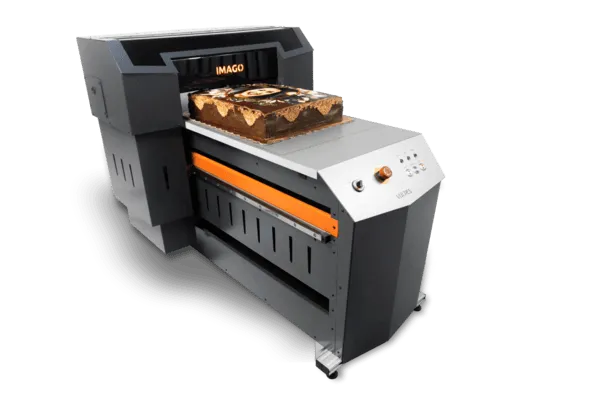
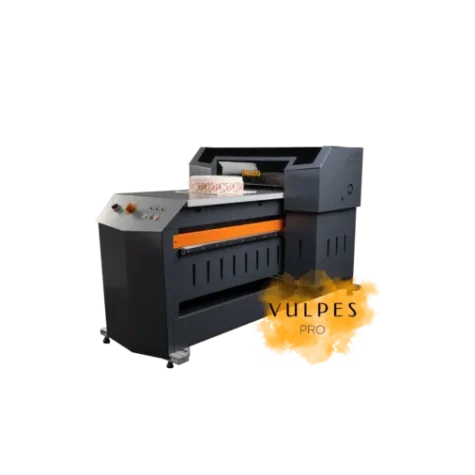
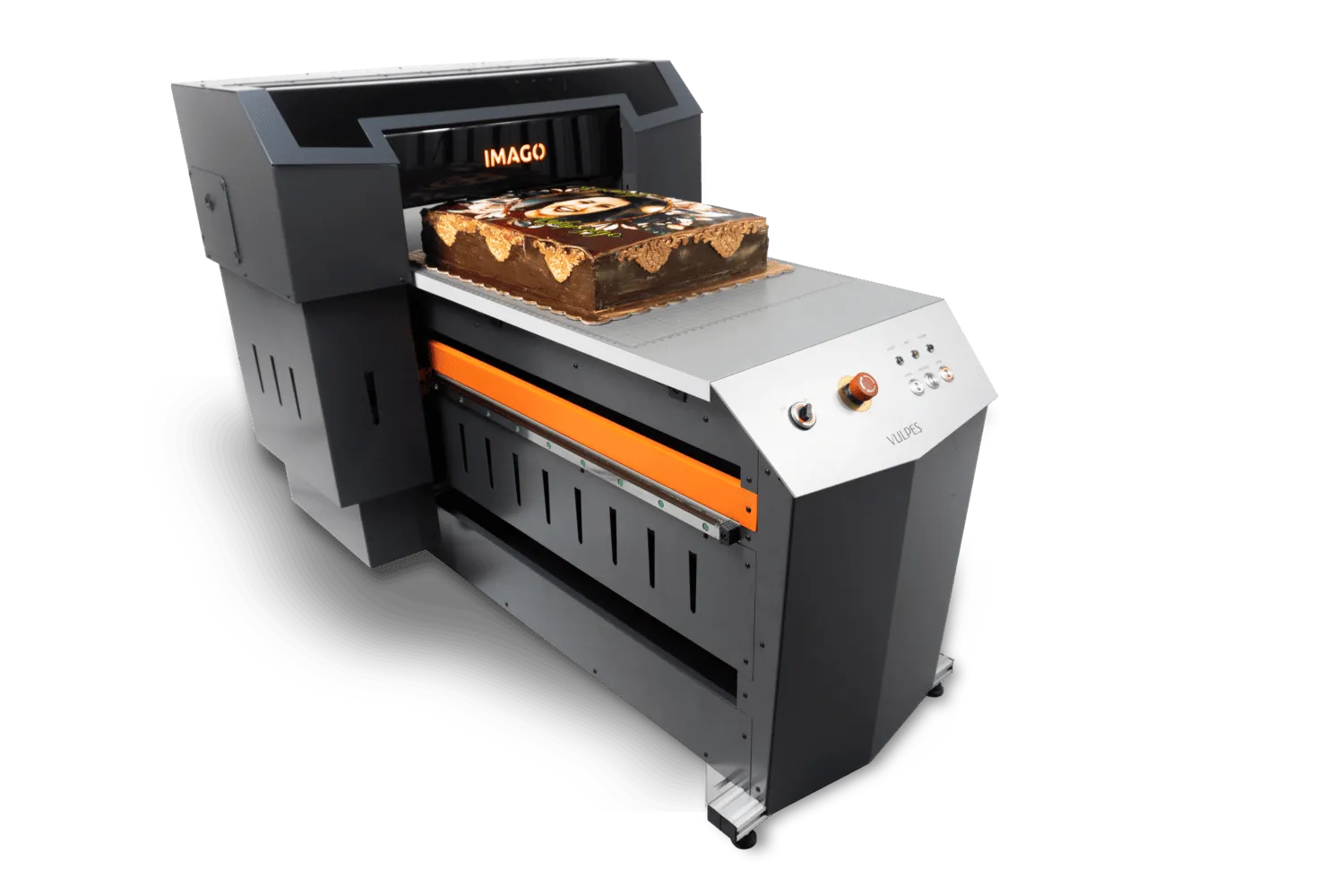
VULPES
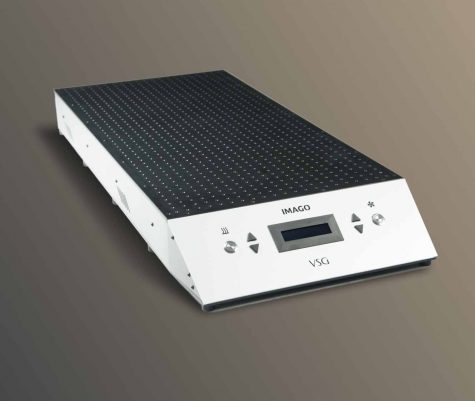
Versatile food plotter
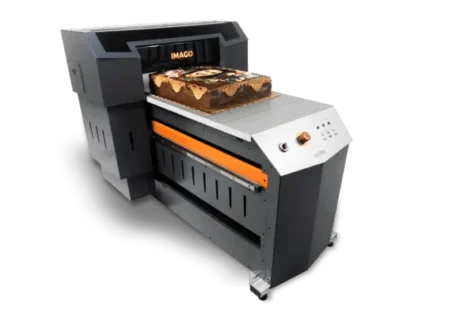
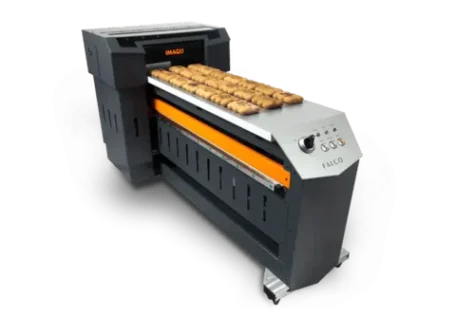
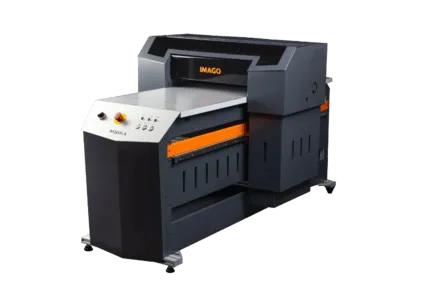
VULPES is ideal for situations where flexibility is key: a variety of products, different formats, fluctuating order volumes, and high-quality printing. It’s a great choice for companies looking to expand their lineup of personalized cookies, macarons, chocolates, decorations, and premium products.
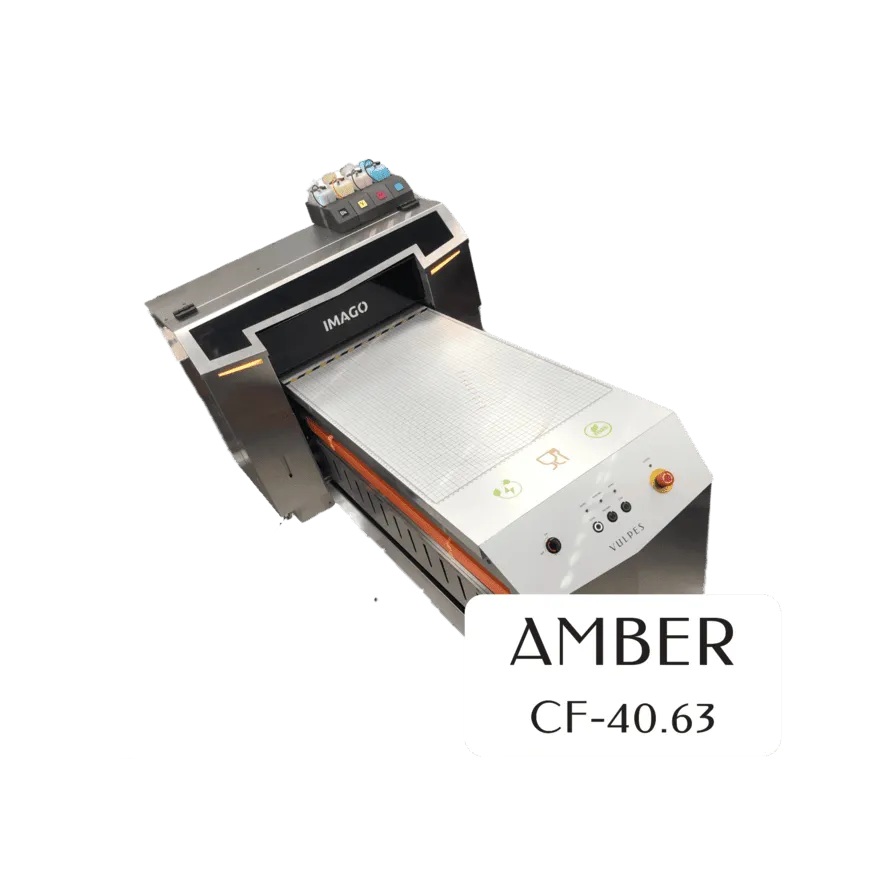
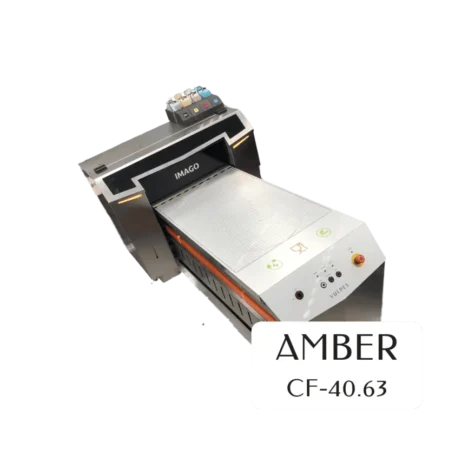
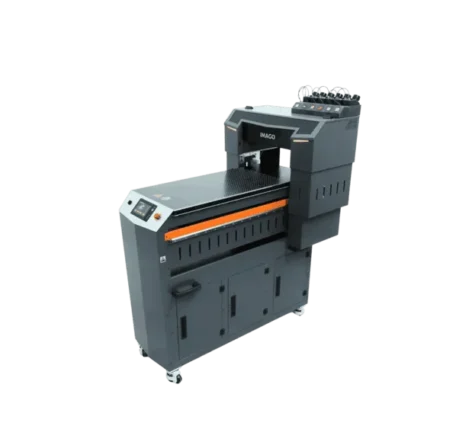
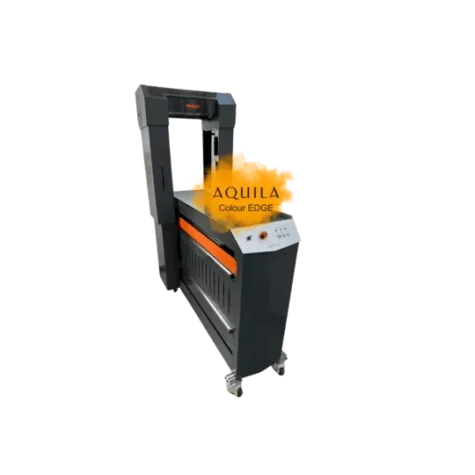
AMBER was designed for companies that need greater productivity, a larger working area and stable performance in serial production. It’s the solution for facilities that want to print more, faster and at consistent quality.
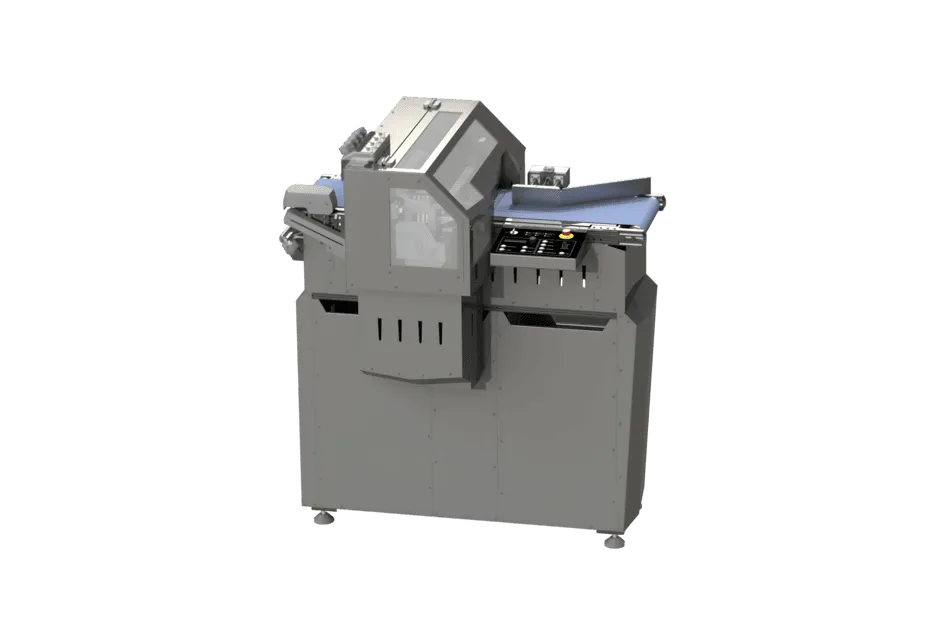
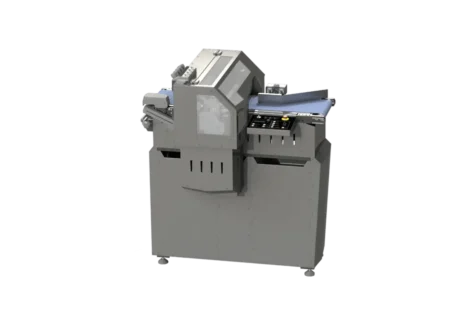
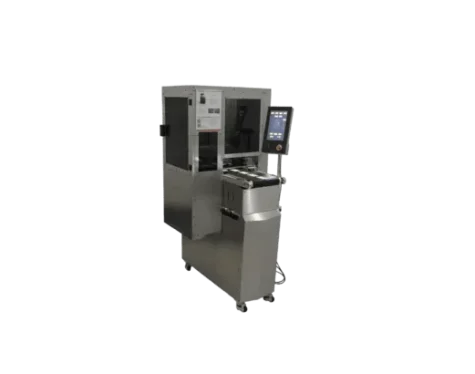
The CS SERIES is designed for companies that require high throughput, automation, and technology ready for use in a production environment. It is ideal for high-volume production and products that require a stable decoration or marking process.
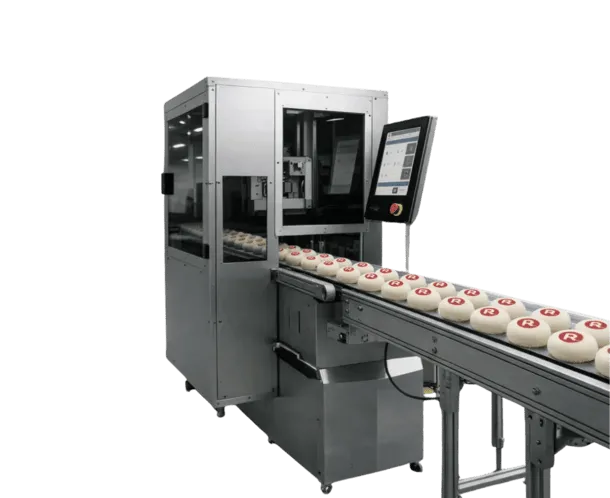
When a standard machine isn’t enough, we design a solution tailored to the specific product, belt width, line cycle time, print type and production requirements. This technology is for industrial manufacturers who want to implement food printing without having to overhaul their entire process.
More than a printer. An engineering partnership from Poland.
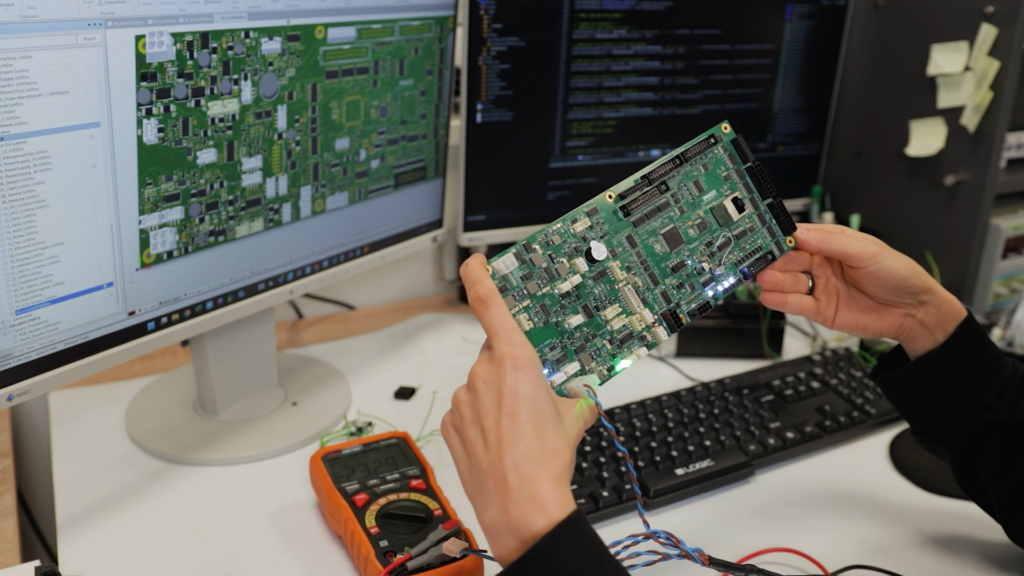
Our printers aren’t just another product from a global corporation’s catalog. They’re the result of the work of our Polish R&D department, which has been designing digital printing systems for the industry for years. When you buy IMAGO printers, you gain direct access to the team of engineers who created them—and to two specialized laboratories.
Proof Lab – your assurance before you invest
Before you make a decision, our engineers will test your most difficult materials. At ProofLab, we’ll select the optimal parameters, primers and ICC profiles. You’ll see real prints on your products – and know the exact results of your adhesion tests before you sign the order. It’s our responsibility for your success.
INKnovation Lab – Tailor-made solutions
When standard inks are not enough, our chemical laboratory comes into play. Here we develop innovative formulations – from inks with special adhesion, to functional (e.g., conductive), to dedicated solutions for the most demanding industries. Your unusual material isn’t a problem – it’s a challenge we enjoy.
Your external R&D department
When you choose IMAGO, you don’t become an anonymous customer of a global brand. You gain a partner with its own technological background, who understands Polish production realities and speaks your language. Problems are solved in hours, not weeks. Modifications and customizations are possible because we design and manufacture the machines.
FAQ
Frequently Asked Questions
Do you have questions about technological differences, the implementation process or printing capabilities? We have gathered the most frequently asked questions to help you better understand how our food printers differ from other machines and how they can genuinely support your production process.
Is food printing edible?
Yes. Food printing uses edible inks intended for contact with food. IMAGO inks come with the documentation and certifications required in the food industry.
Does the print change the taste of the product?
No. The inks are tasteless and odorless, and the amount applied to the product is very small. The print is visible, but you cannot feel it while eating.
What products can you print on?
Among others, on cookies, gingerbread, macarons, chocolate, cakes, fondant, wafers, wafer paper, gummies, caramel, mirror glaze and confectionery decorations. The best result depends on the type of surface, its color and how the product is prepared.
Can you print directly on chocolate?
Yes. Printing on chocolate is possible, although depending on the type of chocolate and its surface it may require suitable preparation or activation of the substrate.
How is food printing different from wafer paper for cakes?
Wafer paper is a separate sheet that is printed and then placed on the product. Direct printing applies the graphic straight onto the item — with no extra layer and no “sticker” effect.
Is the printer difficult to operate?
No. Working with IMAGO plotters is intuitive, and the operator is trained during implementation. In serial production the process is simple and repeatable.
Do I need a graphic designer to use the printer?
Not always. You can print from ready-made files: logos, photos, graphics, lettering or designs supplied by the client. For more advanced projects it is worth working with good-quality files to get the best result.
Does food printing pay off in a small patisserie?
Yes, especially if you sell personalized products, corporate gifts, cakes, macarons, gingerbread or event sweets. Printing lets you extend your range and raise product value without a proportional increase in manual work.
Free consultation
Find out which food printer will be the best fit for your company
Businesslike, but human
No sales pressure or marketing jargon. We focus exclusively on your challenges and profitability.
Knowledge straight from the Proof Lab
We'll tell you right away which food printer can handle your specific material and how to shorten changeover times.
Short and to the point (15–30 minutes)
We respect your time. Let’s meet for coffee (or virtually) and get right down to the engineering details.
 1
1
 2
2
 3
3
 4
4
 5
5